
Samudrika Naval Marine Museum, Port Blair
Welcome to Samudrika Naval Marine Museum, Port Blair
A Perfect Day Trip of History, Nature & Adventure
The Samudrika Naval Marine Museum, located in Port Blair, the capital of the Andaman and Nicobar Islands, is one of the most educational and well-maintained museums in the archipelago. Managed by the Indian Navy, this museum offers a comprehensive insight into the marine biodiversity, tribal culture, geography, and naval history of the islands. A visit here is like taking a deep dive into the natural and cultural wonders of the Andaman Sea, making it a must-visit destination for tourists, students, and maritime enthusiasts alike.
Samudrika Naval Marine Museum
Overview and Background
The Samudrika Naval Marine Museum was established and is operated by the Indian Navy, specifically the Naval Marine Wing, with the aim of educating the public about the oceanic ecosystem surrounding the islands. The museum acts as a window into the world beneath the surface of the sea, while also focusing on the islands’ historical and cultural aspects.
Unlike typical marine museums that only display aquatic species, Samudrika covers five major sections:
- Marine life
- Island ecosystem and geography
- Anthropology
- History of the Andaman Islands
- The role of the Indian Navy
This holistic approach makes it one of the most diverse museums in the region.
Architecture and Layout
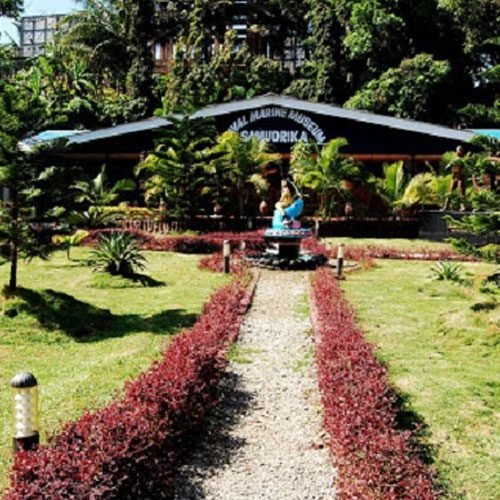
The Samudrika Museum is housed in a navy-blue building, easily recognizable by its bold color and naval insignia. A beautifully landscaped garden greets visitors, with a large skeleton of a blue whale displayed at the entrance—a striking symbol of the vast marine life that awaits inside.
The museum is divided into five thematic sections, each thoughtfully arranged with interactive exhibits, preserved specimens, educational posters, and detailed models.
Location and Accessibility
- Location: Delanipur, Haddo Road, Port Blair – very close to the Andaman Teal House
- Distance from Airport: Around 4 km from Veer Savarkar International Airport
- Distance from Aberdeen Bazaar: Approximately 2 km
Transport: Easily accessible via auto-rickshaws, taxis, and rented two-wheelers
Highlights and Special Attractions
- Whale Skeleton Display: A massive blue whale skeleton greets visitors at the entrance.
- Dugong Exhibit: A taxidermy model of the gentle dugong, locally known as the “sea cow.”
- Live Coral Tank: Some sections include small aquariums or water tanks with live coral samples.
- Shell Collection: One of the best and most diverse shell collections in the islands.
Visitor Information
- Timings: Open from 9:00 AM to 1:00 PM and 2:00 PM to 5:00 PM, Tuesday to Sunday. Closed on Mondays and public holidays.
- Entry Fee: ₹50 for adults; discounts for children and students. Additional fees for camera use may apply.
- Best Time to Visit: November to April, when the weather is pleasant and dry.
- Recommended Visit Duration: 1 to 1.5 hours for a complete walkthrough
Facilities
- Clean washrooms
- Drinking water station
- Small gift shop selling postcards, naval merchandise, and local souvenirs
- Wheelchair accessibility in most areas
Tips for Visitors
- Combine your visit with other nearby attractions like the Anthropological Museum, Cellular Jail, and Aberdeen Bazaar.
- Follow the rules regarding photography—some areas may restrict flash or video recording.
- Engage with the guides or staff for detailed explanations—they often have fascinating stories to share.
Ideal for families with children, school groups, and anyone interested in marine ecology.
Educational Importance
The Samudrika Museum serves as a center for learning, not just a tourist destination. Schools and colleges frequently organize visits here to:
- Enhance marine biology and environmental science knowledge
- Foster awareness about ocean conservation
- Inspire careers in marine sciences and naval defense
The museum promotes sustainable tourism, encouraging visitors to appreciate nature without exploiting it.
Division 1: Marine Life and Biodiversity
The highlight of the museum is undoubtedly its marine life gallery. This section showcases the incredible biodiversity of the Andaman Sea. Visitors can see:
- Corals: Live and fossilized corals, including brain coral, staghorn coral, and sea fans
- Shells: Giant clams, cowries, conches, and rare spiral shells
- Fish and Crustaceans: Preserved specimens of clownfish, lionfish, eels, pufferfish, crabs, and lobsters
- Marine mammals: A life-size model of a dugong (the state animal of the Andamans), along with skeletal remains of whales and dolphins
Detailed descriptions accompany each exhibit, explaining the ecological significance, conservation status, and behavioral traits of the species. This section is especially beneficial for students and nature lovers.
Division 2: Geography of the Islands
This section focuses on the formation of the Andaman and Nicobar Islands, offering valuable geological and topographical insights. The exhibits include:
- A topographic map of the archipelago
- Volcanic activity displays (including information on Barren Island, India’s only active volcano)
- Seismic activity and tectonic plate movement details
Visitors gain a better understanding of how these remote islands were formed millions of years ago and how their geography influences the local climate, flora, and fauna.
Division 3: Tribal Culture and Anthropology
This gallery is dedicated to the indigenous tribes of the islands: the Great Andamanese, Jarwa, Onge, Shompens, Nicobarese, and the Sentinelese. This section complements the exhibits at the Anthropological Museum, but from a more generalist perspective.
Key highlights include:
- Life-size mannequins of tribal men and women
- Traditional tools, ornaments, and clothing
- Artifacts like bows, arrows, and tribal masks
- Photographs and illustrations depicting tribal life
This section sheds light on the cultural diversity, self-sufficient lifestyle, and isolation of these tribal communities, many of whom still live without modern technology or contact with the outside world.
Division 4: History of the Andaman Islands
This part of the museum takes you through the colonial history, freedom movement, and the strategic importance of the islands. Exhibits include:
- British colonial era documents and maps
- Historical photographs of the Cellular Jail
- Insights into World War II and the Japanese occupation of the Andamans
- Information on Subhash Chandra Bose’s visit and the hoisting of the Indian flag in Port Blair
It’s a compact but rich collection that helps contextualize the islands’ past within the broader history of India.
Division 5: Indian Navy and Maritime Operations
The final section is dedicated to the Indian Navy’s role in safeguarding the coastal borders, maintaining maritime security, and conducting disaster relief operations in the region. On display are:
- Naval uniforms and insignia
- Ship models and naval equipment
- Videos and infographics explaining naval missions and drills
- Information on the Indian Navy’s role during natural disasters like the 2004 tsunami
This section fosters a sense of national pride and highlights the strategic importance of the Andaman Islands in India’s naval defense network.
The Samudrika Naval Marine Museum is more than just a museum—it’s an immersive experience into the underwater ecosystems, cultural heritage, and naval strength of the Andaman and Nicobar Islands. Whether you’re a first-time visitor or a returning traveler, this museum offers fresh insights and a newfound appreciation for the vibrant world both above and beneath the sea.