
Fisheries Museum
Welcome to Fisheries Museum
Dive into Andaman’s Marine World
Situated near the Rajiv Gandhi Water Sports Complex in Port Blair, the Fisheries Museum showcases the rich and diverse marine life found in the waters of the Andaman & Nicobar Islands. With over 350 species of fish, corals, and seashells on display, it offers an educational and fascinating experience for all age groups.
Ross Island (Now known as Netaji Subhas Chandra Bose Island)
Nestled in the heart of Port Blair, the Fisheries Museum is one of the most educational and intriguing tourist attractions in the Andaman and Nicobar Islands. Operated by the Department of Fisheries, this compact yet impressive museum offers a comprehensive insight into the diverse marine ecosystem of the islands and highlights the critical importance of sustainable fishing practices.
Whether you’re a marine biology enthusiast, a curious traveler, or a family with children eager to explore, the Fisheries Museum promises an engaging experience that brings you up close with the vibrant underwater life of the Indian Ocean.
Overview and Importance
The Andaman and Nicobar Islands are known for their crystal-clear waters, coral reefs, and rich biodiversity, making them a hotspot for marine research and ecological tourism. The Fisheries Museum serves as an educational gateway to understand this vibrant marine world, displaying hundreds of specimens of marine flora and fauna, most of which are found in the exclusive economic zone (EEZ) surrounding the archipelago.
- Over 350 species of marine life on display
- Rare and endemic fish, mollusks, corals, and crustaceans
- Educational panels on marine ecosystems, aquaculture, and fishing technologies
- Operated under the Department of Fisheries, A&N Administration
Location and How to Reach
- Location: Near the Rajiv Gandhi Water Sports Complex, Port Blair
- Distance: Approximately 1.5 km from Aberdeen Bazaar
- Access: Easily reachable by auto-rickshaw, cab, or on foot from the town center.
The museum is part of a triad of popular museums in the area, including the Anthropological Museum and Samudrika Naval Marine Museum, making it a must-stop in a half-day sightseeing tour of Port Blair.
History and Establishment
The Fisheries Museum was established with the goal of educating both locals and tourists about the importance of marine conservation and the ecological significance of the island’s waters. With a coastline spanning over 1,900 kilometers, the Andaman and Nicobar Islands depend heavily on fisheries for livelihood, making awareness and sustainability crucial.Over the years, the museum has expanded its collection and now serves as a hub for marine education, research references, and environmental advocacy.
Exhibits and Collections
The Fisheries Museum is compact but densely packed with well-curated marine exhibits. The air-conditioned galleries are clean and organized, with clear labels, backlit display cases, and educational boards.
Major Devision Include:
1. Marine Species Exhibit
- A stunning collection of preserved specimens in glass jars and tanks
- Species include sharks, dolphins, lobsters, crabs, starfish, seahorses, eels, and more
- Rare and endemic species like the Napoleon Wrasse and Giant Clams
- Visual display of coral reefs, showcasing live corals and their crucial role in the marine ecosystem
2. Shell Collection
- The museum features a variety of mollusk shells, ranging from tiny cowries to giant conches
- Displays on how shells are used in local handicrafts and their economic importance
3. Coral and Sponge Section
- Demonstrates the importance of corals in protecting coastlines
- Real specimens of hard and soft corals found in the Mahatma Gandhi Marine National Park, Havelock Island, and other local reefs
4. Aquaculture & Fishing Techniques
- Educational displays on modern and traditional fishing techniques
- Models of fishing boats, trawlers, and nets
- Explanation of aquaculture practices, including fish farming, shrimp breeding, and seaweed cultivation
5. Endangered Species and Conservation
- Focuses on marine biodiversity under threat due to pollution, overfishing, and habitat loss
- Information about conservation efforts by the Andaman administration and NGOs
- A call to action for visitors to support sustainable tourism and fishing
Educational Value
The Fisheries Museum goes beyond being a visual attraction, it plays a crucial role in raising awareness about the marine ecosystems that sustain the Andaman economy and culture.
For Students and Researchers:
- A fantastic source for school and college-level marine biology education
- Rich reference material on taxonomy, habitats, and ecological balance
- Field trip destination for local schools and marine studies institutes
For Tourists:
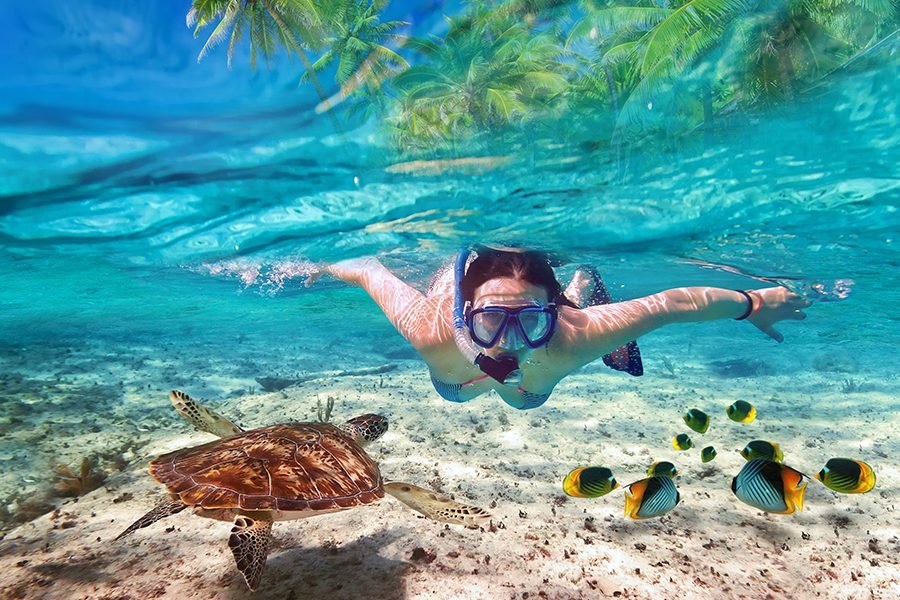
- An eye-opening look at the underwater biodiversity rarely visible to snorkelers and divers
- Deepens appreciation of the fragile ecological balance in the islands
- Makes one more conscious about plastic use, seafood choices, and coral reef protection
Guest Information
- Timings: 9:00 AM to 1:00 PM and 2:00 PM to 4:45 PM (Tuesday to Sunday)
- Closed on: Mondays and public holidays
Best Practices for Visitors
- Avoid touching the exhibits – many are rare or fragile specimens
- Read the descriptions carefully – they contain valuable scientific and ecological information
- Encourage children to ask questions – the museum is highly educational for young minds
- Combine your visit with a trip to the Samudrika Naval Museum for a broader perspective
As global climate change and marine pollution rise, institutions like the Fisheries Museum play a vital role in advocacy. The museum supports:
- Marine conservation campaigns
- Plastic-free ocean initiatives
- Education on overfishing and ecosystem balance
- Promotion of eco-friendly tourism practices
Their motto aligns with the theme: “Protect what you love. Conserve what you explore.”
Why It’s a Must-Visit in Port Blair
The Fisheries Museum may not boast lavish displays or high-tech installations, but its authenticity, educational value, and ecological relevance make it a hidden gem among Port Blair’s attractions. It’s especially relevant for:
- Nature lovers
- School groups
- Wildlife photographers
- Eco-conscious travelers
- Families with kids
It offers a refreshing contrast to the beaches and adventure sports, reminding us that the islands are not just about sand and surf, but also about understanding and respecting marine life.