
Anthropological Museum
Welcome to Anthropological Museum
A Journey Through Andaman’s Tribal Heritage
Anthropological Museum offers a fascinating glimpse into the lives, culture, and history of the indigenous tribes of the Andaman & Nicobar Islands. From traditional tools and clothing to photographs and tribal artifacts, this museum is a must-visit for those curious about the island’s original inhabitants like the Jarawas, Sentinelese, Great Andamanese, and Onges.
Anthropological Museum
Tucked away in the heart of Port Blair, the Anthropological Museum is one of the most informative and enriching attractions in the Andaman and Nicobar Islands. Established in 1975 by the Anthropological Survey of India, this museum offers a deep dive into the lives, traditions, and cultures of the indigenous tribes who have inhabited the Andaman and Nicobar archipelago for thousands of years. From stunning artifacts to life-size tribal models, the museum serves as a cultural treasure trove for history buffs, students, anthropologists, and curious tourists alike.
Historical Background of the Anthropological Museum
The Anthropological Museum was inaugurated with the primary objective of preserving and documenting the rich cultural heritage of the tribal communities of the islands. Managed and curated by the Anthropological Survey of India, the museum focuses on research and education about the six recognized tribes of the region—Great Andamanese, Jarwas, Onges, Shompens, Nicobarese, and the Sentinelese.
The museum’s inception came at a time when there was growing interest in indigenous communities around the world, and it aimed to shed light on the unique lifestyle, tools, and evolution of these tribes—many of whom remain untouched by modern civilization.
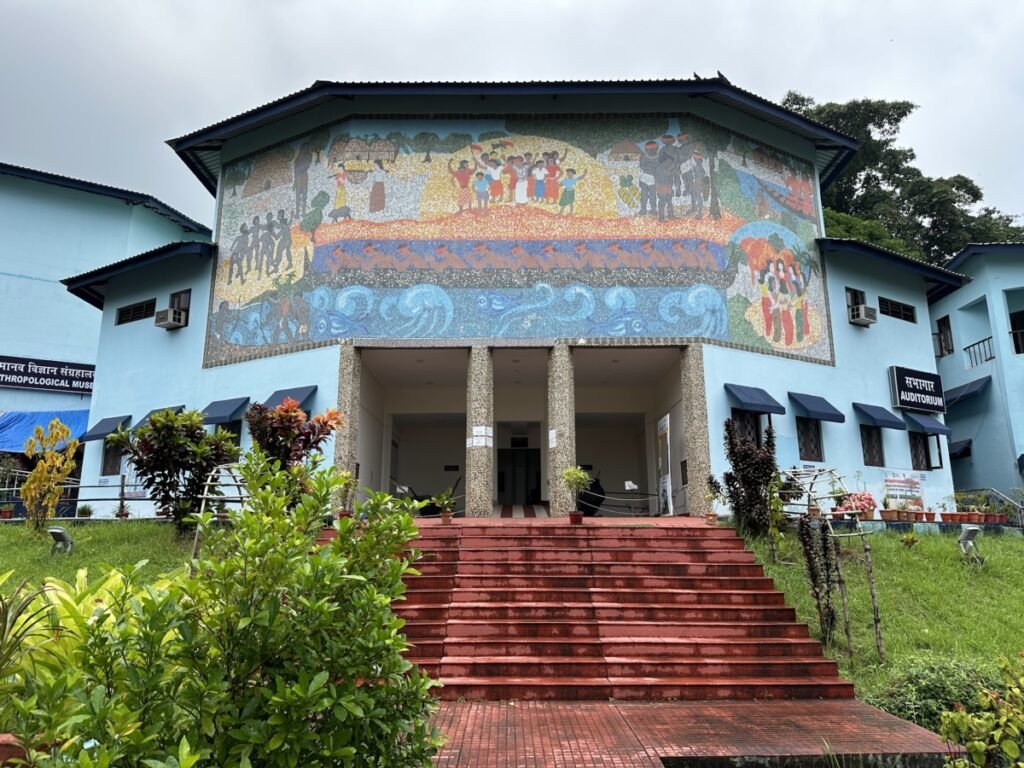
Architectural Layout and Structure
The museum is housed in a modest two-story building near MG Road in Port Blair. Although not grand in size, it makes up for it with the depth and richness of its displays. The design is simple and functional, with well-organized galleries, clear signboards, and multilingual informational plaques that enhance the visitor experience. Air-conditioned interiors make it comfortable to explore, even during the island’s humid months.
Exhibits and Collections
Tribal Life and Tools
One of the most compelling sections of the Anthropological Museum is the gallery dedicated to tribal life. Visitors are greeted with life-size replicas of tribal men and women, dressed in traditional attire, carrying tools and weapons. These exhibits vividly portray their daily lifestyle—from hunting and fishing to child-rearing and rituals.
Various tools and implements used by the tribes are displayed, including:
- Bows and arrows used for hunting
- Dugout canoes for island-hopping
- Fishing gear made from organic materials
- Household utensils carved from coconut shells and bamboo
These artifacts highlight the tribes’ resourcefulness and their deep connection with nature.
Housing Structures and Lifestyle Models
The museum also showcases miniature models of tribal huts built from materials such as bamboo, thatch, and wood. Each structure corresponds to a specific tribe, demonstrating differences in architectural style, reflecting adaptation to the environment—be it coastal, jungle, or mountainous terrain.
Some models include:
- Elevated huts of the Shompens to avoid wild animals
- Simple, leaf-covered shelters of the Jarwas
- More developed structures of the Nicobarese, who have relatively more contact with modern society
Cultural Artifacts and Ritual Items
This section includes traditional musical instruments, ritual masks, ornaments, and ceremonial objects. These items were collected over years of anthropological fieldwork and represent the spiritual and cultural fabric of these tribes. One can find:
- Drum-like instruments used during dances and rituals
- Necklaces made from shells and bones
- Carved wooden idols believed to house spirits or deities
These displays highlight the importance of spirituality, animism, and ancestral worship in tribal societies.
Rare Photographs and Field Notes
The museum houses an impressive archive of rare photographs taken during early expeditions to the Andaman and Nicobar Islands. These photographs show tribal members in their natural settings, interacting with anthropologists and displaying unique customs. Detailed field notes and journals of anthropologists add academic value to the museum, offering insight into early encounters and studies.
Educational and Research Significance
Besides being a tourist destination, the Anthropological Museum serves as a valuable resource for researchers, students, and social scientists. It offers:
- Archives of tribal history and development
- Anthropological surveys and demographic reports
- Ethnographic documentation of customs, languages, and migration
For those studying human evolution, indigenous rights, or social anthropology, the museum presents a unique case study of isolated communities surviving in the 21st century.
Visiting Information
- Location: MG Road, Port Blair, Andaman and Nicobar Islands – easily accessible from most major hotels.
- Timings: Open Monday to Saturday, 9:00 AM to 1:00 PM and 1:30 PM to 4:30 PM. Closed on Sundays and public holidays.
- Entry Fee: Nominal charges apply.
- Facilities: Clean restrooms, drinking water, and a small souvenir shop selling tribal art and crafts.
Importance of the Museum in the Digital Age
In an age dominated by technology, global tourism, and modernization, the Anthropological Museum plays a crucial role in preserving and promoting cultural diversity. It reminds visitors of the delicate balance between progress and preservation and emphasizes the need to protect communities that are vulnerable to external influences.
It also sparks conversations around:
- Tribal rights and land protection
- The ethics of contact with isolated communities (like the Sentinelese)
- Sustainable tourism and cultural sensitivity
The Anthropological Museum in Port Blair is not just a museum—it’s a bridge to a world that remains largely untouched, a celebration of human diversity, and a tribute to the resilience of indigenous cultures. For anyone visiting the Andaman Islands, this museum offers a rare opportunity to explore the intangible heritage of the land and its original inhabitants.Whether you’re an academic, a culture enthusiast, or a curious traveler, the Anthropological Museum promises a memorable and meaningful experience that extends beyond sightseeing into the realm of understanding and empathy.