
Jolly Buoy & Red Skin Islands
Welcome to Jolly Buoy & Red Skin Islands
Coral Paradise Awaits
Located within the Mahatma Gandhi Marine National Park, Jolly Buoy and Red Skin Islands are famous for their crystal-clear waters, vibrant coral reefs, and untouched natural beauty. These islands are open on a rotational basis to preserve marine life, offering snorkeling, glass-bottom boat rides, and eco-friendly beach fun.
Jolly Buoy Island and Red Skin Island
The Andaman and Nicobar Islands, an archipelago of over 500 islands nestled in the Bay of Bengal, offer some of the most pristine and unspoiled natural beauty in India. Among these, Jolly Buoy Island and Red Skin Island stand out as two spectacular destinations for nature lovers, adventure seekers, and marine enthusiasts. Famous for their vibrant coral reefs, crystal-clear waters, and diverse marine life, these islands provide a perfect getaway from the bustle of city life, allowing visitors to immerse themselves in the serene tranquility of nature.
Jolly Buoy Island: A Coral Paradise
Jolly Buoy Island is part of the Mahatma Gandhi Marine National Park in the South Andaman district. Located approximately 20 kilometers north of Port Blair, it is accessible via a 90-minute boat ride from the mainland port. Due to its protected status within the marine national park, visitor numbers are regulated to preserve its delicate ecosystem, making it a pristine and exclusive experience.
Jolly Buoy Island is renowned for its:
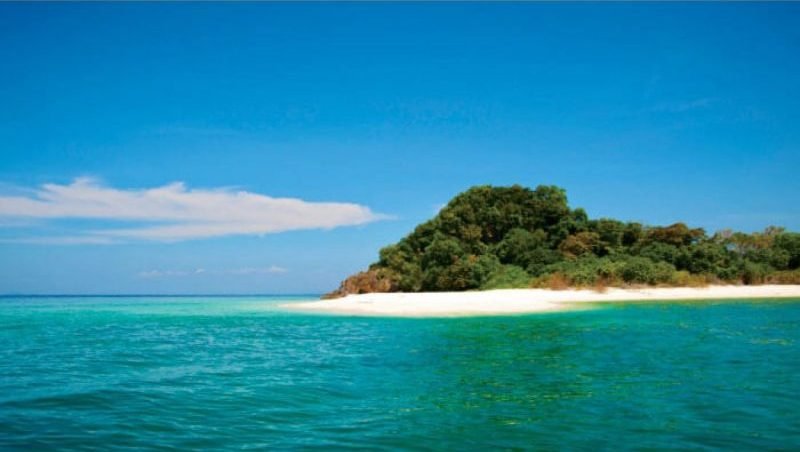
- Clear, turquoise waters offering exceptional underwater visibility
- Rich coral reefs that teem with marine biodiversity
- White sandy beaches fringed by lush greenery
- Secluded and tranquil environment ideal for relaxation and nature observation
Visitors often describe the island as a tropical paradise, where vibrant coral gardens bloom beneath calm, shallow waters, making it one of the best snorkeling and scuba diving sites in the Andamans.
The island’s coral reefs are home to a dazzling variety of marine species. Snorkelers and divers can expect to see:
- Colorfulhard and soft corals
- Tropical fish such as clownfish, parrotfish, angelfish, and butterflyfish
- Sea cucumbers, starfish, and giant clams
- Occasional sightings of sea turtles and stingrays
The underwater ecosystem here is remarkably well-preserved thanks to strict conservation efforts, making Jolly Buoy an ideal spot for eco-tourism and marine research.
Glass-Bottom Boat Rides:
For those who prefer to stay dry, glass-bottom boats provide a fascinating view of the vibrant coral reefs and marine life beneath the surface.
Nature Walks:
Though the island is relatively small, nature trails allow visitors to explore the island’s flora, including mangroves and coastal forests.
Photography:
The island’s breathtaking natural beauty and marine diversity offer countless opportunities for underwater and landscape photography.
Conservation and Restrictions
Jolly Buoy Island is a protected marine national park, which means:
- Entry is restricted and requires permission from the forest department.
- No plastic usage is allowed to protect the fragile marine environment.
- Visitors must follow strict guidelines to avoid damaging corals or disturbing wildlife.
- Camping and overnight stays are prohibited; visits are usually day trips only.
These measures help maintain the island’s ecological balance, ensuring that future generations can enjoy its beauty.
Red Skin Island: An Untouched Marine Sanctuary
Red Skin Island is another jewel in the Andaman archipelago, located near the southern coast of South Andaman, not far from Port Blair. It is part of the Red Skin Marine National Park, a lesser-known but equally spectacular marine protected area.
True to its name, Red Skin Island features striking coral reefs with vibrant reddish hues, adding a unique visual charm to the underwater landscape. The island is much quieter and less frequented than Jolly Buoy, offering an off-the-beaten-path experience.
- Coral formations that exhibit distinctive red and pink tones, rare in other parts of the Andamans.
- Calm, shallow lagoons with rich biodiversity.
- Sandy beaches bordered by dense tropical vegetation.
- Ideal spot for eco-tourism and scientific study due to its relatively untouched condition.
Red Skin Island supports a rich variety of marine species, including:
- Numerous species of corals, sponges, and sea fans
- Reef fish such as damselfish, snappers, and groupers
- Crustaceans like shrimps and crabs
- Marine mammals occasionally spotted in nearby waters, such as dolphins
The island’s reef ecosystem plays a crucial role in maintaining the health of the larger marine environment in the Andaman region.
Activities on Red Skin Island
- Bird Watching: The island’s lush vegetation attracts various bird species, making it a good spot for ornithologists and nature lovers.
- Photography: The striking colors of the reefs and the peaceful island landscape offer incredible photo opportunities.
Red Skin Island is part of the Andaman Islands’ efforts to protect marine biodiversity. Visitor access is strictly controlled to minimize environmental impact. Tour operators emphasize:
- No littering or damage to corals.
- Limiting visitor numbers.
- Avoiding any activities that disrupt marine life.
These measures ensure the island remains a pristine marine sanctuary.
Best Time to Visit
The ideal time to explore these islands is from October to May, when the weather is pleasant, and the sea conditions are calm. The monsoon months (June to September) bring rough seas and heavy rains, limiting access.
Getting There
- Boat Services: Day trips to both Jolly Buoy and Red Skin Islands are available from Port Blair’s Marina Park or Rajiv Gandhi Water Sports Complex.
- Permits: Visitors need to obtain permits from the forest department or through authorized tour operators. These permits help regulate tourism and protect the environment.
- Tour Packages: Many local tour operators offer combined trips to these islands along with other attractions in the Andamans, including snorkeling, glass-bottom boat rides, and marine park entry.
Things to carry:
- Reef-safe sunscreen
- Water, snacks, and a packed lunch (since there are no food facilities on the islands)
- Hats, sunglasses, and comfortable swimwear
- Waterproof camera or GoPro for underwater shots
Environmental Importance and Challenges
Jolly Buoy and Red Skin Islands are vital parts of the Andaman Islands’ marine ecosystem, playing key roles in:
- Supporting fish breeding grounds and nurseries.
- Maintaining the coral reef ecosystems that protect shorelines.
- Providing habitat for endangered species such as marine turtles.
However, these islands also face challenges:
- Climate change and rising sea temperatures threaten coral health through coral bleaching.
- Tourism pressure can cause damage if not managed sustainably.
- Pollution and plastic waste pose risks to marine life.
Sustainable tourism practices, strict regulations, and community awareness programs are essential to preserve these natural treasures.
Jolly Buoy Island and Red Skin Island encapsulate the best of what the Andaman Islands have to offer: breathtaking natural beauty, vibrant underwater life, and an aura of untouched wilderness. For travelers seeking an immersive marine adventure, these islands provide a perfect blend of relaxation, exploration, and education. When visiting, it’s important to respect the fragile ecosystems and adhere to all conservation guidelines to ensure these gems remain unspoiled for generations to come.