
The Northern Gateway to the Andaman Islands
Welcome to The Northern Gateway to the Andaman Islands
A Perfect Day Trip of History, Nature & Adventure
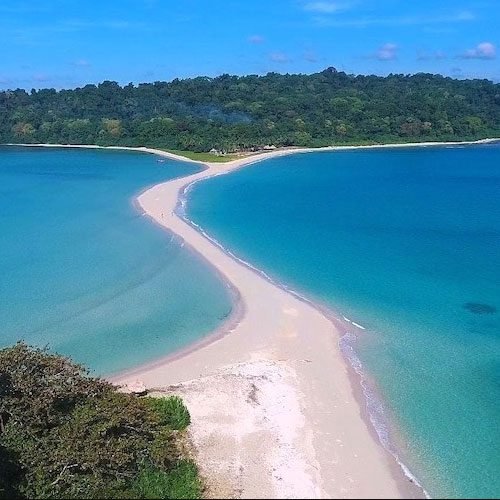
Located approximately a 10-hour drive from Port Blair, Diglipur is the northernmost inhabited island in the Andaman and Nicobar archipelago. This region is famous for its untouched natural beauty and serves as home to the highest peak in the Andamans – Saddle Peak. One of the top tourist attractions here is the unique Ross and Smith Islands, two separate islands connected by a narrow sandbar.
Way to Reach Diglipur
Diglipur is accessible by road from Port Blair. The most convenient option is to hire a round-trip car from Port Blair. Alternatively, public and private buses operate on the route via Rangat and Mayabunder. There is also a government boat service available, although it runs without a fixed schedule. An airport is currently under construction in Diglipur, which will soon provide direct flights, making travel easier in the near future.
Must-Visit Places in Diglipur
Ross and Smith Islands
The Ross and Smith Islands are undoubtedly the highlights of Diglipur. Visitors must obtain a permit from the Forest Department before visiting. A chartered speedboat from Aerial Bay Jetty offers transfers to these islands.
What makes these islands truly special is the natural sandbar that connects them, surrounded by crystal-clear turquoise waters — an absolute paradise for photography. During high tide, the sandbar is submerged, allowing boats to pass between the islands, while at low tide, it reappears like a magical pathway, creating a surreal and fairytale-like experience.
The area also hosts a Marine Sanctuary, making it an ideal spot to view vibrant coral reefs and the diverse marine species inhabiting them. The beaches, fringed by lush tropical forests, offer fantastic hiking opportunities. For underwater enthusiasts, there are excellent snorkeling sites around these islands, making Ross and Smith the perfect destination for your tropical getaway.
Craggy Island
A short swim from the Pristine Resort lies Craggy Island, where visitors can sunbathe on the pristine beaches or snorkel in emerald-green waters. The clear waters are teeming with schools of fish that swim right beneath your feet, making it a memorable experience.
Saddle Peak
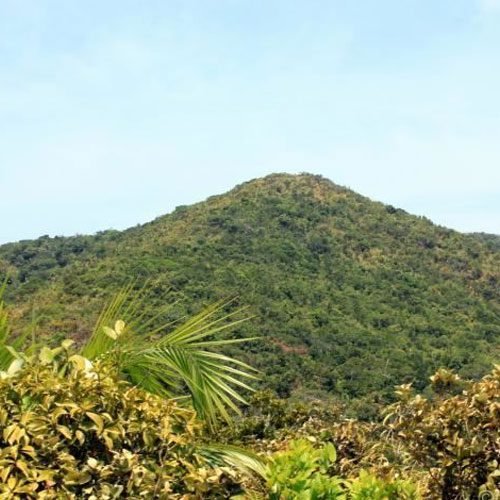
Dominating the landscape is Saddle Peak, the highest point in the Andamans. This peak is a haven for nature lovers, featuring 13 endemic bird species, 36 endemic insect species, and 6 unique endemic tree species. The peak offers an excellent hiking experience and is home to the only hydroelectric power source in the islands. Hiking enthusiasts will enjoy the trail, which offers spectacular views of the surrounding forests and coastline.
Alfred Caves
Located near Diglipur, the Alfred Caves consist of 22 interconnected caves that are still largely unexplored. These caves provide an adventurous experience for those equipped with the right safety gear and a sense of curiosity.
Kalipur Beach
About 30 minutes from Diglipur, Kalipur is renowned for its luxury resorts and its unique ecological significance — it is the only place in the world where four species of sea turtles converge to nest. Kalipur Beach is a major attraction for wildlife lovers and eco-tourists alike.
Activities at Saddle Peak
Hiking to Saddle Peak is an accessible trek that rewards visitors with stunning panoramic views. The trail is about 8 kilometers long and can be steep in sections, so sturdy hiking shoes and good preparation are recommended. Along the way, the trail passes the refreshing waters of the Kalpong River, the only river in the islands, and three viewpoints that offer increasingly breathtaking vistas, culminating in the peak’s summit.
Mud Volcanoes
Near Hathilevel, about 20 kilometers from Diglipur, lies a chain of intriguing mud volcanoes. These geological wonders are best accessed via a short 15-minute trek through the lush jungle of Shyamnagar. Visitors can enjoy guided tours and seating areas near the volcanoes to appreciate this unique natural phenomenon.
Other Places to Explore Around Diglipur
- Ramnagar: Famous for its beautiful beaches and rich flora and fauna.
- Lamiya Bay: Known for its rocky beaches and vibrant ecology.
- Hathi Level Beach: Offers isolation and pristine coral reefs.
- Jal Tikrit: Known for mud volcanoes and scenic trekking routes.
- Smith and Ross Islands: As previously described, must-visit islands.
- Kalipur Beach: Renowned turtle nesting site.
- Saddle Peak National Park: Offers hiking and wildlife spotting.
Where to Stay
Diglipur is an eco-tourism hotspot with limited accommodation options. For a more luxurious experience, consider staying at resorts in Kalipur, which cater to global travelers but come at a higher price, especially during peak tourist seasons. Early booking is highly recommended due to limited availability.
Whether you are an adventurer, nature lover, or simply seeking tranquility, Diglipur and its surrounding attractions provide a diverse and unforgettable experience for every traveler.
Turtle Nesting at Kalipur Beach
Kalipur Beach is famous for sea turtle nesting, especially during the months of March and October when turtles come ashore in large numbers. Along with Kalipur, Ramnagar and Karmatang beaches are also important turtle nesting sites. Four different species of turtles, including the Leatherback and Hawksbill, come here to lay their eggs.
To protect the turtles, beach guards collect the eggs and incubate them safely away from predators and poachers. After approximately six weeks, baby turtles are released into the sea by volunteers. These conservation efforts have become increasingly important as egg poaching threatens the turtle population.
- Loggerhead Sea Turtle: The largest hard-shelled species, laying 110-120 eggs.
- Olive Ridley Turtle: Medium-sized, laying 50-170 eggs.
- Flatback Sea Turtle: Mostly found in Australia, lays about 50 eggs.
- Green Sea Turtle: Lays up to 200 eggs.
- Ridley Sea Turtle: Smaller species, lays around 100 eggs.
- Leatherback Sea Turtle: Lays approximately 110 eggs.
- Hawksbill Sea Turtle: Known for its distinctive coloring, lays about 140 eggs.